
 Dessert1 hr
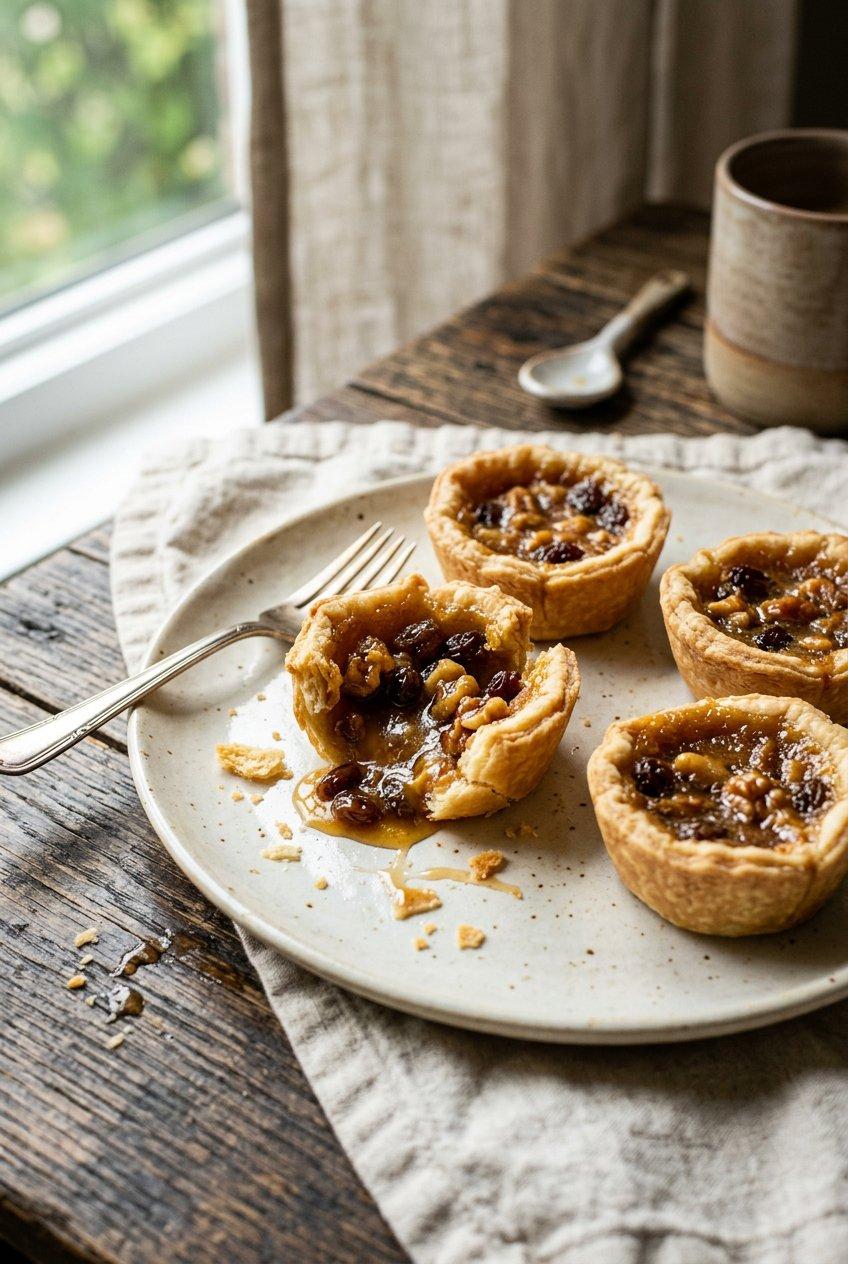
Butter Tarts
Medium12 tartsOpen
Dense, tall and tangy — the deli slice that needs no topping.
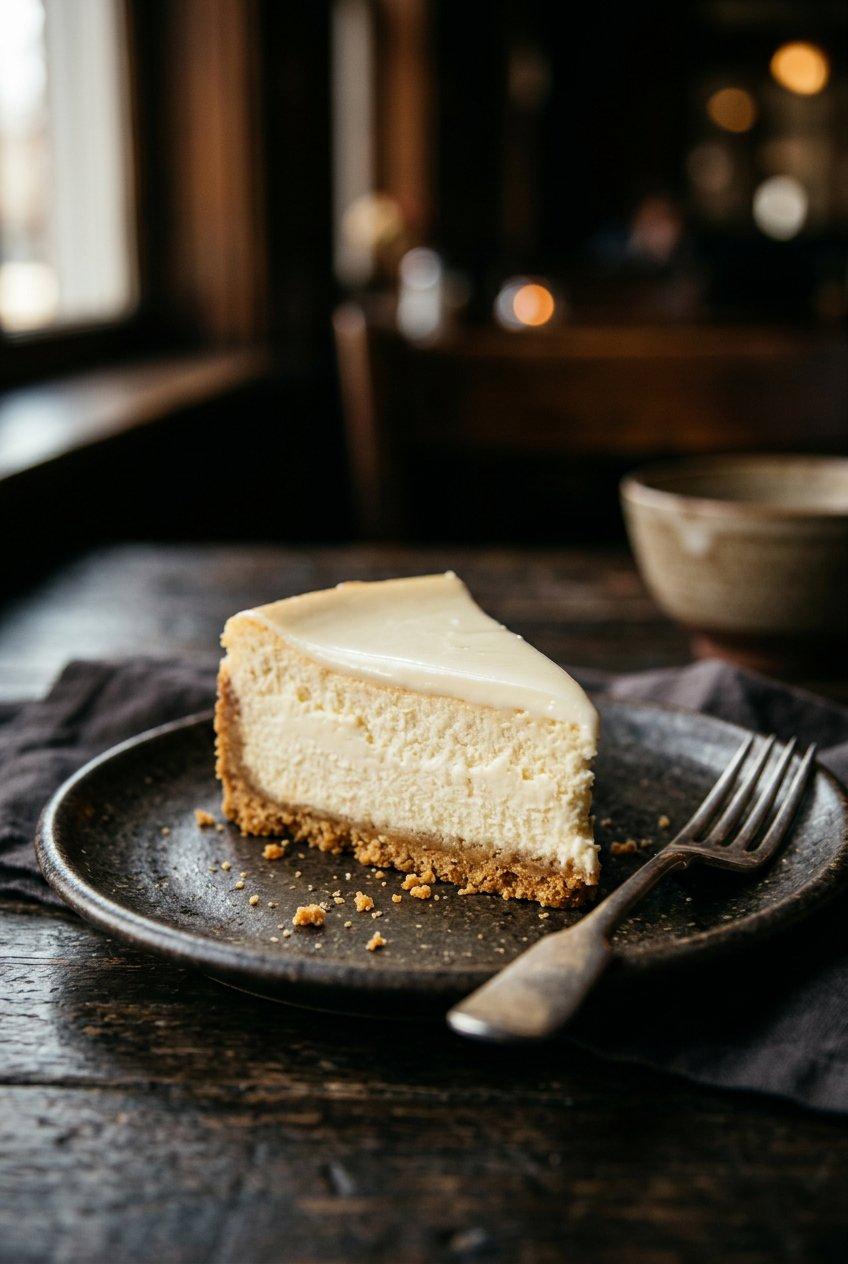
A properly tall baked cheesecake: a thin graham crust, a cream-cheese filling with just enough sour cream to cut the richness, and a slow, low bake that prevents cracking. No water bath, no fuss — just patience.
The background
The tall, dense cheesecake is a deli invention of the 1920s and 30s, where cream cheese replaced the curd cheeses of the older European versions. The signature is density: a proper slice stands up on the plate and cuts clean. The trick is beating the batter only until smooth; over-aerating it makes a cheesecake that puffs in the oven and collapses on the counter.
Editorial note
This recipe was developed and tested in the Butterlark kitchen. We publish no AI-written recipes and no copied methods; read our testing policy. Last updated 2 February 2026.
Tap a line to cross it off as you go.
Switching to cups converts weights using standard cup densities. For baking, grams are always the more accurate measure — use them if you have a scale.
Read it once, then use cook mode so your screen stays awake.
Heat the oven to 160°C / 325°F (140°C fan). Line the base of the springform with parchment and wrap the outside in two layers of foil if your tin leaks. The cheesecake bakes in a shallow water bath later — the foil keeps water out.
Blitz the crackers to fine crumbs, stir in the sugar and salt, then pour in the melted butter until it looks like wet sand. Press firmly and evenly into the base and 2 cm up the sides. Bake 10 minutes, then cool while you make the filling.
10 min timer
Beat the cream cheese on medium-low for 2 minutes until completely smooth with no lumps. Scrape the bowl. Add the sugar and cornflour and beat 60 seconds more — low speed, because air is the enemy here.
With the mixer on low, add the eggs one at a time, waiting until each disappears before adding the next. Add the yolk, sour cream, vanilla and lemon zest and mix just until combined. Scrape down and give it one final 5-second mix by hand.
Pour the filling over the crust and smooth the top. Set the springform in the roasting tin and pour boiling water into the tin to come 2 cm up the sides. Bake 65–75 minutes, until the outer 5 cm is set and the centre wobbles like set jelly.
1 hr 10 min timer
Turn the oven off, crack the door and leave the cheesecake inside for 1 hour. This gradual cooling is what stops the surface from cracking. Then refrigerate at least 6 hours, ideally overnight.
Whisk the sour cream with icing sugar and spread over the cold cake. Return to the fridge for 20 minutes. Run a thin knife around the edge, release the tin, and slice with a hot, dry knife wiped between cuts.
Cooking this now? Cook mode keeps the screen on, one step at a time.
Cook's notes
Every ingredient must be at room temperature — cold cream cheese lumps and will never beat smooth.
A crack is cosmetic, not a failure. Sour cream topping hides all of them.
Slice with a knife dipped in hot water and wiped dry between cuts for deli-clean edges.
Fold 200 g of blueberries into the filling and increase the lemon zest to 2 tbsp. Bake 5 minutes longer.
Bake at 220°C / 425°F for 40 minutes with no water bath, until deeply scorched on top. The centre stays molten — a different dessert entirely, and every bit as good.
Keeps 5 days covered in the fridge, or 2 months frozen (whole or in slices, wrapped tightly). Thaw overnight in the fridge — never at room temperature, which makes the filling weep.
| Calories | 420 kcal |
|---|---|
| Protein | 7 g |
| Carbohydrate | 30 g |
| Fat | 31 g |
| Fibre | 1 g |
| Sugar | 24 g |
| Sodium | 320 mg |
Estimated from standard ingredient databases, based on 12 servings. Figures are a guide, not medical advice.
Liked this one?
One tested dish from a different kitchen every week, plus the printable list.
Troubleshooting
Almost always a fast temperature change — too much air beaten into the batter, an oven that ran hot, or cooling on the counter instead of inside the switched-off oven. Cool it slowly and crack the door.
It is the most reliable way to keep the surface custardy and crack-free, but a low oven (150°C / 300°F) with the cake on the middle rack works too. Add 10–15 minutes to the bake time.
No. Fat carries the flavour and structure. Low-fat cream cheese produces a grainy, watery cheesecake that will not set properly.
Keep cooking
Dessert1 hr Dessert1 hr
 Dessert30 min
Classic Baked Cheesecake — https://pantry-atlas.vercel.app/recipes/baked-cheesecake · © Butterlark